Bing●●Nick Ostroff
How to Optimize Microsoft Ads for a Furniture Business
A practical, no-hype guide to optimizing Microsoft (Bing) Ads for furniture retailers, from campaign structure to conversion tracking and budgets.
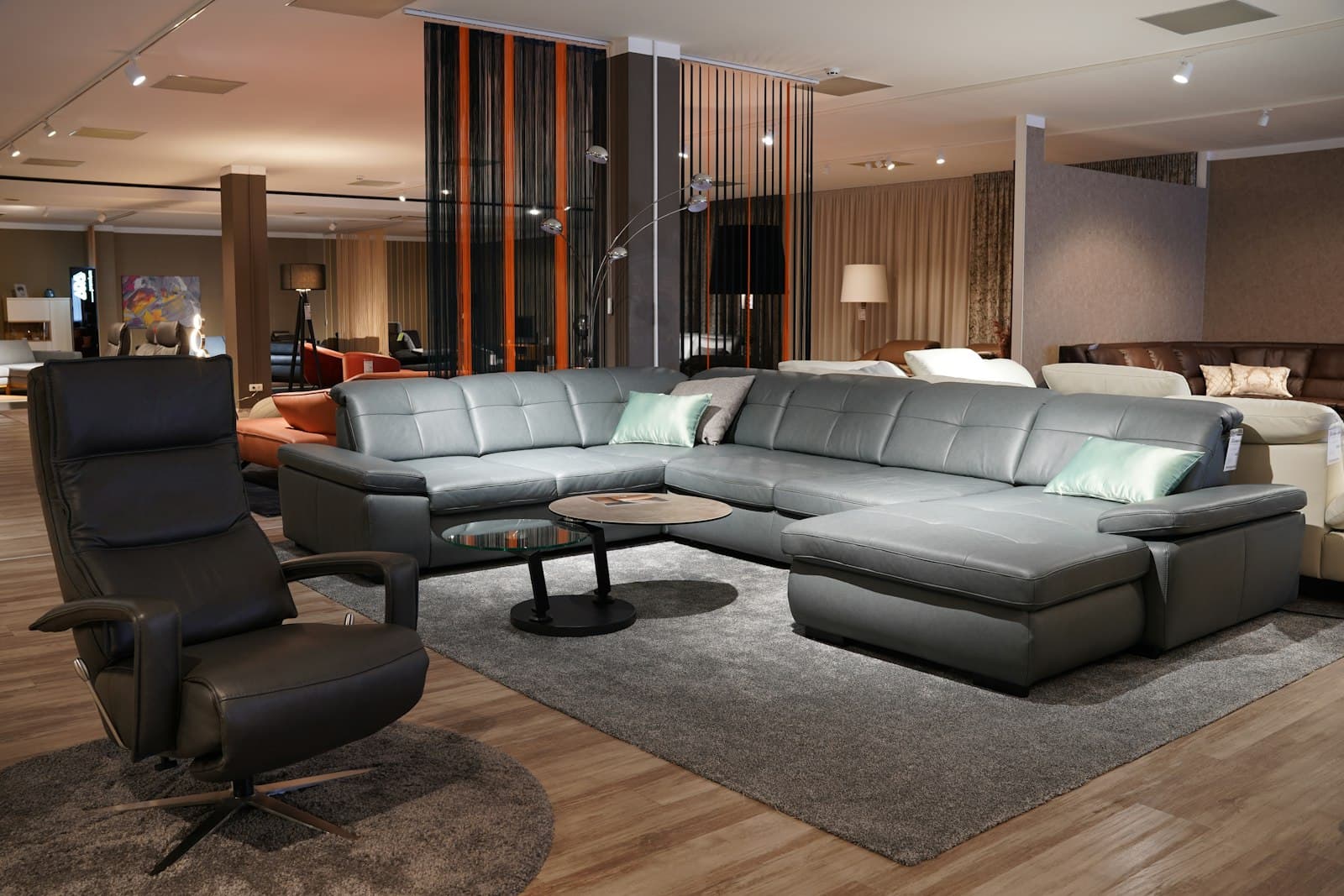
To optimize Microsoft Ads for a furniture business, tighten your account structure around product categories, add negative keywords weekly, run Shopping and Search together, and wire up conversion tracking for both online sales and store leads. Then bid toward profit, not clicks. Small, disciplined changes usually beat big overhauls. See our Furniture marketing hub for the bigger picture.
How do I run Microsoft Ads for furniture in the first place?
Start with a clean structure: separate campaigns by intent and margin so you can control spend where it matters.
Most furniture accounts do well with three campaign types. A Search campaign targeting category and product terms ("sectional sofa," "solid wood dining table," "office chair Los Angeles"). A Shopping campaign fed by a Microsoft Merchant Center feed, which is where a lot of retail furniture volume lives. And a small brand campaign to defend your own name cheaply.
Within Search, group tightly. Put "leather sofas" in its own ad group so the ad and landing page match the query. Furniture is a considered purchase, so match the message to the search stage: browse terms get category pages, specific model terms get product pages.
A few setup basics that get skipped:
- Import your Google Ads campaigns as a starting point, then trim what doesn't fit Microsoft's smaller volume.
- Use all four sitelinks plus callouts (free delivery, financing, showroom hours).
- Set a real geographic radius if you have a showroom; don't pay for clicks 800 miles away.
Microsoft Ads vs Google Ads for furniture — which is better?
Neither is "better"; they serve different slices of the same buyer, and furniture retailers usually run both.
Microsoft Ads reaches Bing, Yahoo, and AOL search, plus it powers search on many work computers and Windows devices. That audience skews slightly older, often at a desktop, and frequently has higher household income — which fits furniture shoppers researching a large purchase.
The trade-off is volume. You'll typically see a fraction of Google's search traffic, so Microsoft Ads is rarely your only channel. What it often delivers is a lower cost per click. In many furniture accounts CPCs run meaningfully cheaper than Google for the same keywords, which can make Microsoft your most efficient source of profitable orders per dollar.
Our usual advice: build and win on Google first, then extend the winning campaigns into Microsoft to capture cheaper incremental sales. If you want help managing both without doubling your effort, that's the kind of thing our Pixel – Manager service handles.
What does Microsoft Ads conversion tracking look like for furniture?
You need conversion tracking installed before you optimize anything, because clicks don't pay your rent — orders and leads do.
Install the Universal Event Tracking (UET) tag on every page, then define conversion goals that match how furniture actually sells. For e-commerce, track purchases with revenue values so you can optimize toward return on ad spend, not just order count. A $2,400 sectional and a $79 side table should not count the same.
For showroom or made-to-order furniture, the sale often happens offline. Track the meaningful steps online instead: quote requests, "reserve in store" forms, phone calls, and directions clicks. Then, where you can, feed offline conversions back in so Microsoft learns which clicks became real revenue.
Common tracking mistakes we fix:
- Counting every form submit as a purchase and inflating results.
- No revenue values, which makes ROAS bidding impossible.
- UET tag missing on the thank-you page, so conversions never fire.
- Double-counting because the tag is installed in two places.
If you want a second set of eyes before you spend more, a Google Ads audit covers Microsoft accounts too and usually surfaces tracking gaps fast.
How much should I spend on Microsoft Ads for furniture?
Spend enough to gather data, but expect Microsoft to be a smaller line item than Google because the search volume is smaller.
A common approach for furniture retailers: allocate roughly 15% to 30% of your total paid search budget to Microsoft once your Google campaigns are stable. If you're spending $4,000 a month on Google, a $600 to $1,200 monthly Microsoft budget is a reasonable test that still collects enough conversions to judge it.
Don't set the budget so low that campaigns never leave the learning stage. Furniture has a longer buying cycle and higher price points, so you may need 20 to 40 conversions before the numbers mean anything. Give it 60 to 90 days.
Let economics guide the ceiling. If your average order value is $1,500 and your target advertising cost of sale is 12%, you can spend up to about $180 to acquire that order. Set bids and budgets against that math rather than a gut-feel dollar amount. For how we package management and what it costs, see our pricing.
What are the highest-impact optimizations for Bing Ads furniture retail?
The biggest wins come from search term hygiene, feed quality, and bidding toward value — in that order.
Mine search terms weekly. Furniture queries pull in a lot of irrelevant traffic: "free," "DIY," "used," "repair," "rental," competitor brand names you don't carry. Add negatives every week. This alone can cut wasted spend 10% to 20% early on.
Fix the Shopping feed. Titles, categories, and images drive Shopping performance. Lead product titles with the words people search — material, type, then brand ("Grey Fabric 3-Seat Sofa"). Keep prices and stock synced daily so you're not paying for out-of-stock items.
Bid on value, not volume. Once you have conversion values flowing, test Maximize Conversion Value with a target ROAS. Until then, stay on manual or Max Conversions so you keep control while data builds.
Match landing pages to intent. Send "dining table" clicks to a filtered dining category, not the homepage. Show delivery timelines, financing, and return policy near the top — those are the objections that stall furniture buyers.
Layer audiences. Use in-market audiences for home and garden, remarketing lists for past visitors, and LinkedIn profile targeting (a Microsoft feature) if you sell office or contract furniture.
If you'd rather learn to run this yourself with expert guidance, our Pixel – Advisor coaching is built for business owners who want to keep control of the account.
Frequently asked questions
Is Microsoft Ads worth it for a local furniture store in Los Angeles?
Usually yes, as a supplement. Lower CPCs and an older, higher-income desktop audience fit furniture well, and geo-targeting keeps spend near your showroom. Just treat it as an add-on to Google, not a replacement.
Can I copy my Google Ads campaigns into Microsoft Ads?
Yes. Microsoft offers a direct import from Google Ads. But don't run it on autopilot — trim keywords with no volume, recheck negatives, and reconfirm conversion goals and UET tags after every import.
How long before I know if Microsoft Ads is working for furniture?
Plan on 60 to 90 days. Furniture has a longer consideration window and higher order values, so you need enough conversions — often 20 to 40 — before performance data is trustworthy.
Do I need a product feed for Microsoft Shopping ads?
Yes. Shopping ads require a Microsoft Merchant Center feed with accurate titles, prices, images, and stock status. You can often reuse your Google feed as a starting point.
If you'd like a straight read on whether Microsoft Ads can add profitable sales for your store, book a free consultation and we'll walk through your setup together. You can also start with our Furniture marketing hub to see how paid search fits your wider plan.