Google●●Nick Ostroff
How Much Furniture Stores Spend on Google Ads
A plain-English breakdown of typical Google Ads budgets for furniture stores, what drives cost, and how to plan a budget that actually returns leads and sales.
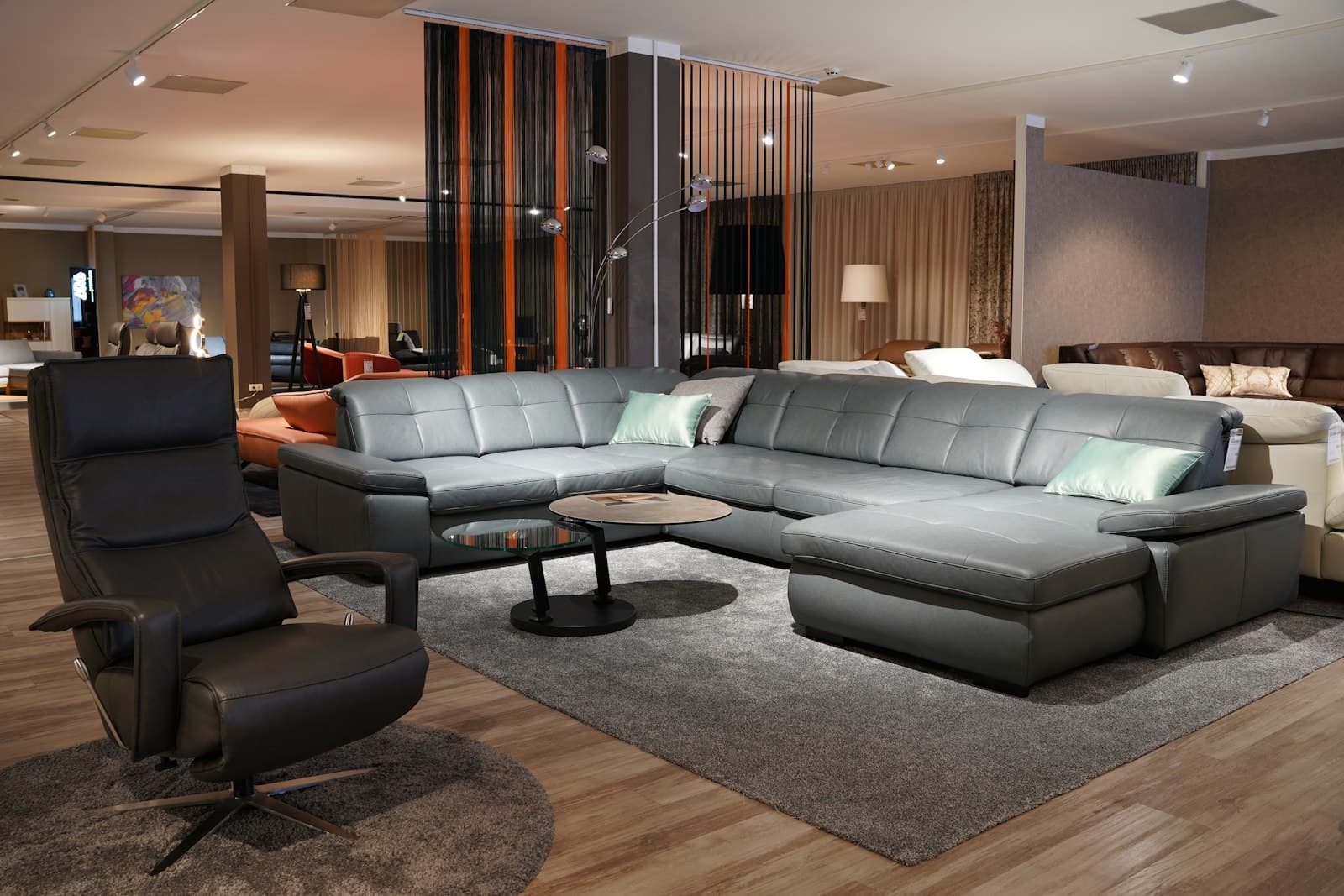
Most furniture stores spend between $2,000 and $10,000 per month on Google Ads, with single-location retailers often landing in the $2,000–$5,000 range and larger showrooms or multi-store operations spending $8,000 and up. Your number depends on your market size, average order value, and how many competitors are bidding. Get the mix right and the spend pays for itself. For the full picture, see our Furniture marketing hub.
What is a normal monthly Google Ads budget for a furniture store?
For a typical single-showroom furniture store in a mid-sized metro, a working budget is $2,500–$5,000 per month in ad spend, not counting management fees.
That range buys enough click volume to gather data, test a few campaign types, and generate a steady flow of store visits and quote requests. Spend much below $1,500 and you tend to starve the campaigns before they can learn what works.
A few benchmarks we see in furniture and home-furnishings accounts:
- Cost per click: roughly $1.50–$4.00 on Search for furniture-related terms.
- Cost per lead (form or call): commonly $30–$120 depending on product tier.
- Store-visit and "furniture store near me" clicks: cheaper than product-specific terms, so local campaigns stretch a budget further.
High-ticket categories like custom sofas, mattresses, or designer pieces cost more per click but justify it with larger order values.
What actually drives the cost of Google Ads for furniture?
Your spend is set by three things: competition, average order value, and how wide a net you cast.
Competition. In a dense market like Los Angeles, more retailers and national e-commerce brands bid on the same keywords, which pushes clicks toward the higher end. In a smaller city with fewer stores, the same budget goes further.
Average order value. If your typical sale is $3,000, you can afford a $100 cost per lead and still profit. If you sell $300 accent chairs, your margins force a tighter, more targeted approach.
Campaign scope. Running Search, Performance Max, and remarketing at once costs more than a lean Search-only setup, but it also captures shoppers at more stages. Furniture is a considered purchase, so remarketing to people who browsed and left is often the highest-return piece.
How do I set a budget that actually returns a profit?
Work backward from a sale, not forward from a guess.
Start with your average order value and gross margin. Say a sale is worth $2,000 with 40% margin, or $800 in gross profit. If you're willing to spend up to 20% of that gross profit to acquire a customer, your target cost per sale is about $160. From there:
- Estimate your close rate on leads (many furniture stores close 15–30% of qualified inquiries).
- At a 20% close rate, a $160 cost per sale means you can pay up to about $32 per lead.
- Multiply your target monthly sales by cost per sale to get your starting ad budget.
That math turns "how much should I spend" into a decision you can defend. If the numbers don't work at first, the fix is usually landing pages and lead handling, not just more budget.
If you'd rather have this modeled for your store, a Google Ads audit will show what your market's clicks and conversions realistically cost.
Should I manage it myself or hire an agency?
If you have the time to learn and a budget under about $3,000/month, doing it yourself with coaching is often the smart call; above that, or if your time is worth more elsewhere, hire it out.
We support both paths. Business owners who want to keep control but stop guessing use Pixel – Advisor for hands-on PPC coaching. Stores that want the whole thing run for them use Pixel – Manager, where we build, launch, and optimize the campaigns.
Management fees are separate from ad spend. Agency fees in Southern California commonly run as a percentage of spend or a flat monthly retainer; our pricing lays out how we structure it so there are no surprises.
What about agencies in the South Bay and Los Angeles?
Plenty of PPC firms serve the South Bay and greater LA, so choose one that will show you the math and give you access to your own account.
We're based in Manhattan Beach and work with local retailers and service businesses across the region. When you compare a Google Ads agency in the South Bay or the wider LA area, look for three things:
- You own the account. Ad accounts and history should stay yours if you leave.
- Clear reporting. You should see spend, leads, and cost per lead every month in plain terms.
- Relevant experience. An agency that has run local retail and lead-gen campaigns will ramp faster than one that only knows e-commerce.
We apply the same lead-focused approach we use for roofing, HVAC, and dental clients to furniture retailers: get the tracking right, focus budget on high-intent searches, and cut what doesn't sell.
How long before Google Ads pays off for a furniture store?
Expect a learning period of 30–90 days before performance stabilizes, with the first useful signals usually showing up inside the first month.
Google's algorithms need conversion data to optimize, and furniture has a longer consideration cycle than impulse purchases. A shopper may click an ad, visit the showroom, and buy two weeks later. That gap makes accurate tracking essential; without it, you'll undercount sales and cut winning campaigns.
Budget for at least three months before you judge results. Month one is setup and data collection, month two is refinement, and by month three you should have a clear cost per lead and cost per sale to make decisions on.
Frequently asked questions
Is Google Ads worth it for a small furniture store?
Yes, when your average order value is high enough to absorb the cost per lead and your showroom can close inquiries. Small stores with tight margins on low-ticket items should start lean and lean on remarketing and local search rather than broad, expensive product terms.
How much does Google Ads management cost on top of ad spend?
Management is billed separately from what you pay Google. Fees vary by agency and are typically structured as a percentage of spend or a flat retainer. Our pricing explains how we handle it for small and mid-sized budgets.
What's a good cost per lead for furniture?
Most furniture accounts we see run $30–$120 per lead, depending on product price and market competition. Higher-ticket custom and mattress categories sit at the top of that range because each sale is worth more.
Can I run Google Ads for a furniture store without a website?
You need at least a solid landing page with your products, location, and a clear way to call or request a quote. A weak page wastes clicks no matter how good the campaign is, so fix the page before you scale spend.
If you want a straight answer on what Google Ads should cost for your store and market, we're happy to run the numbers with you. Book a free consultation and we'll map out a realistic budget as part of your Furniture marketing plan.

