Google●●Nick Ostroff
Choosing a Google Ads Agency for a Furniture Store
How to pick a Google Ads agency for a furniture store, what it should cost, and what results are realistic in a high-consideration category.
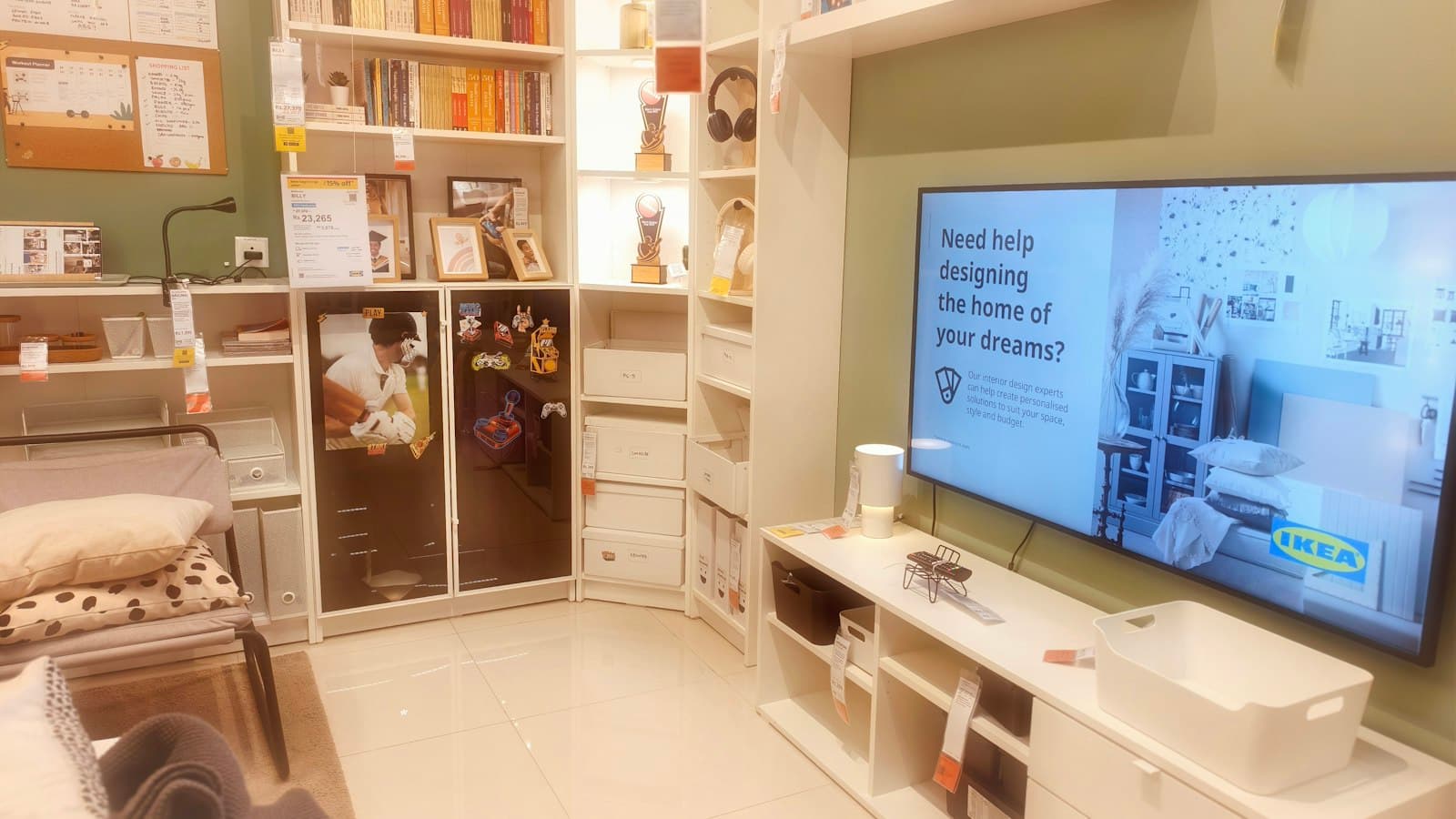
A furniture store Google Ads agency plans, builds, and manages paid search and shopping campaigns so your store shows up when people search for the pieces you sell. Look for a partner who understands high-ticket, considered purchases, tracks in-store and online sales, and reports on revenue instead of clicks. See our Furniture marketing hub for the full picture.
What does a furniture store Google Ads agency actually do?
A good agency runs the whole paid-search operation for you: strategy, campaign builds, bidding, and reporting tied to sales, not vanity metrics.
For a furniture retailer that usually means a mix of channels. Search campaigns capture people typing "sectional sofa near me" or "solid wood dining table Los Angeles." Shopping and Performance Max campaigns put your product photos and prices directly in results, which matters a lot when someone is comparing looks and price. Retargeting keeps your pieces in front of shoppers who browsed but didn't buy on the first visit.
The work also includes the unglamorous parts: cleaning up your product feed, adding negative keywords so you don't pay for "free furniture" or "furniture jobs," setting up conversion tracking for phone calls and store visits, and adjusting bids by device, location, and time of day.
If you'd rather have someone run it end to end, that's what Pixel – Manager covers. If you want to keep it in-house but get expert guidance, Pixel – Advisor coaches your team.
How is furniture different from other Google Ads accounts?
Furniture is a high-consideration, high-ticket purchase, so the buying journey is longer and the account has to be built for that.
Unlike a plumbing emergency where someone calls in ten minutes, furniture shoppers research for days or weeks. They compare styles, read reviews, measure their rooms, and often visit a showroom before buying. That means:
- Longer conversion windows. A click today can turn into a sale two weeks later. Attribution has to account for that or the campaigns look worse than they are.
- Both online and in-store sales. If you have a showroom, the agency needs to track store visits and phone leads, not just website checkouts.
- Visual, price-sensitive shopping. Shopping and Performance Max campaigns with strong product images and accurate pricing tend to carry the load.
- Seasonality and promotions. Holiday sales, tax-refund season, and clearance events need budget planning built around them.
An agency that treats furniture like a $200 lead-gen product will overspend on broad terms and under-invest in the feed. That's the most common mistake we see when we run a Google Ads audit on furniture accounts.
What should a furniture Google Ads agency cost?
Most small and mid-sized furniture retailers should expect management fees in the range of about $1,000 to $3,000 per month, separate from the ad spend you pay Google.
That fee usually scales with account complexity: number of products, number of campaign types, and how many locations you're advertising. Ad budget is a separate line item and depends on your market and margins. Many furniture stores start meaningful testing around $2,000 to $5,000 per month in ad spend and scale from there once the numbers work.
Be careful with two pricing traps. First, percentage-of-spend billing can quietly reward the agency for spending more of your money, not for making you money. Second, cheap flat fees under a few hundred dollars usually mean automated, hands-off management with little strategy. We publish our own pricing so you can compare honestly.
How do I choose the best Google Ads agency in Los Angeles for a furniture store?
Pick the agency that shows you how they'll measure a sale and who will actually be doing the work.
South Bay and greater Los Angeles have plenty of PPC shops, so use a short checklist to cut through the noise:
- Ask how they track revenue. They should talk about conversion tracking, offline conversions for showroom visits, and product feed quality, not just clicks and impressions.
- Ask who manages the account. At many large agencies, a junior analyst runs it. Find out the actual person's experience.
- Ask about the product feed. For furniture, the shopping feed is half the battle. If they don't mention it, keep looking.
- Ask for a real audit. A quality agency will look at your account and tell you specifics before you sign anything.
- Check local fit. A team that understands Los Angeles competition, delivery radius, and local search intent will build smarter geo-targeting.
We're based in Manhattan Beach and work with local service and retail businesses across the South Bay and wider LA area, so campaigns get built around real delivery zones and showroom drive times rather than a generic national template.
What results are realistic in the first 90 days?
Expect the first 30 to 60 days to be about setup and learning, with clearer performance improvements by month three.
We won't quote specific client numbers, but here's an honest arc most furniture accounts follow. In month one, the work is tracking, feed cleanup, campaign structure, and negative keywords. In month two, Google's bidding starts learning and you get enough data to see which products and searches drive sales. By month three, you can usually cut wasted spend and shift budget toward the winners.
Because furniture has a long consideration window, judge the account on cost per sale and return on ad spend over a rolling window, not day-to-day cost per click. Agencies that promise instant results in a high-ticket category are usually setting you up to be disappointed.
Do I need Google Ads if I already rank in local search?
Organic visibility helps, but paid ads let you control which products and promotions get seen right now, above the organic results.
SEO and Google Business Profile are worth investing in, and they compound over time. But they're slow to move and hard to point at a specific sofa or a weekend sale. Google Ads gives you same-day control: launch a clearance campaign Friday, pause it Monday, and know exactly what it cost. Most furniture retailers do best running both, with paid search filling the gaps where organic can't compete.
Frequently asked questions
Should furniture stores use Shopping or Search campaigns?
Both, usually. Shopping and Performance Max show your products with photos and prices, which fits visual shoppers, while Search captures specific intent like "mid-century leather recliner." Most accounts split budget across both and let performance decide the mix.
How much ad budget do I need to start?
Many furniture stores start around $2,000 to $5,000 per month in ad spend so there's enough data to learn from. You can start smaller, but expect a longer runway before the results are clear.
Can you track sales that happen in my showroom?
Yes. With proper setup we track phone calls, store-visit signals, and offline conversions, so you can see how online ad clicks turn into showroom sales instead of judging campaigns by web checkouts alone.
Do you only work with furniture retailers?
No. We manage Google Ads for service businesses too, including roofing, HVAC, and dental practices. The furniture playbook borrows from all of them.
If you're weighing agencies for your store, start with a free consultation and a look at your current account. We'll tell you what's working, what's wasting money, and whether paid search is the right lever right now. You can learn more on our Furniture marketing page and go from there.