Google●●Nick Ostroff
Google Ads for Furniture Retailers
A practical guide to running Google Ads for furniture stores, from Shopping and Search structure to budgets and what to expect from an LA agency.
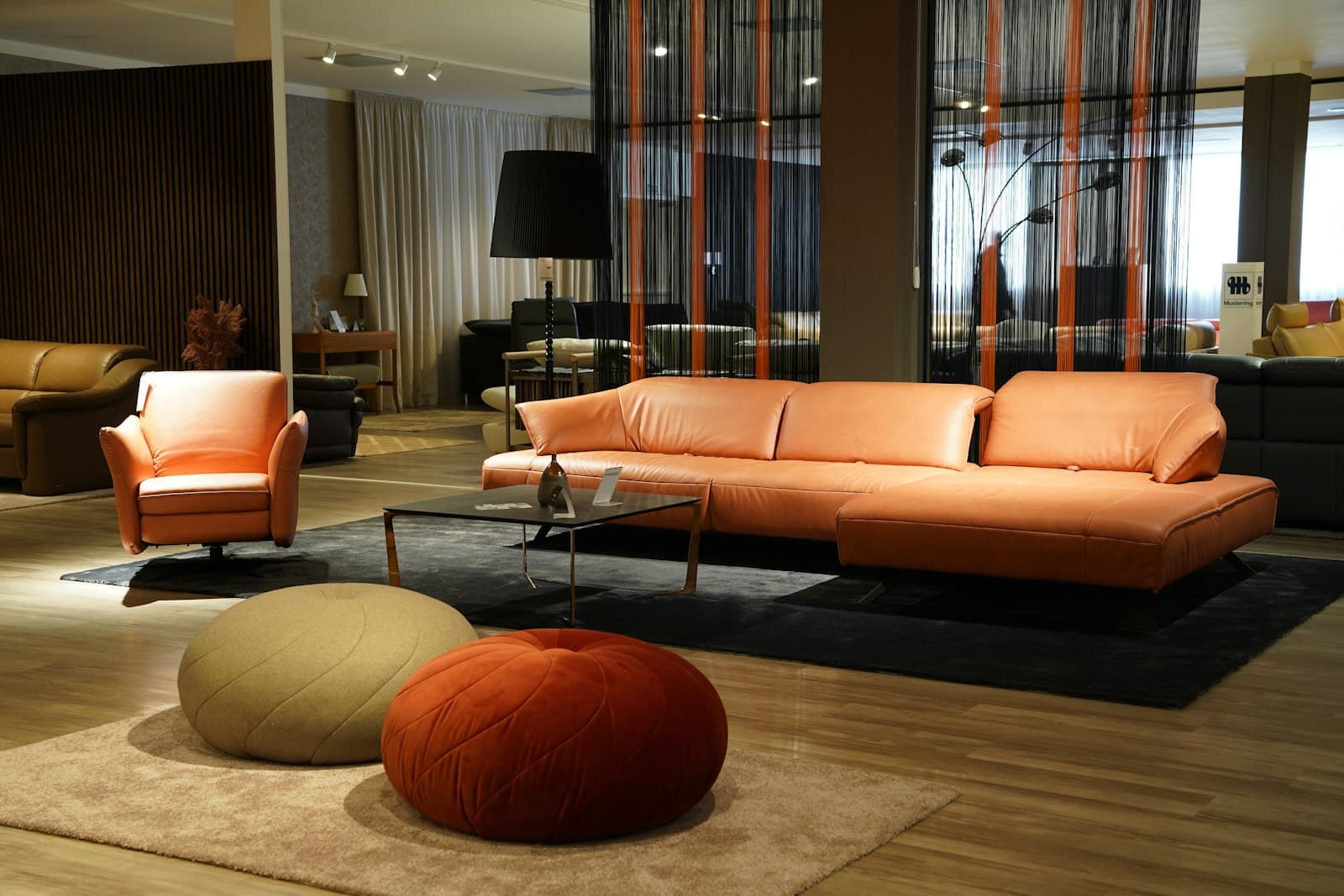
Google Ads works well for furniture retailers when you combine Shopping campaigns for product discovery with Search campaigns for high-intent buyers ("sectional sofa near me," "custom dining table Los Angeles"). Expect to track both online sales and in-store visits, feed a clean product catalog, and give the account 60–90 days to stabilize. For the bigger picture, see our Furniture marketing hub.
Which Google Ads campaign types should a furniture store run?
Start with Shopping and Search, then layer in Performance Max and remarketing once you have data. Furniture is a visual, high-consideration purchase, so images and reviews carry a lot of weight.
- Shopping (or Performance Max with a feed): This is where most furniture revenue comes from. Shoppers see the product, price, and photo before they click, which pre-qualifies traffic.
- Search: Capture intent for categories ("leather recliner"), rooms ("bedroom furniture store"), and local terms ("furniture store Manhattan Beach").
- Remarketing (display and Performance Max): Furniture has long buying cycles. A shopper may compare for two weeks before purchasing, so staying visible matters.
- Local and Local Inventory Ads: If you have a showroom, promote in-store availability so people who want to sit on the couch first can find you.
We usually recommend keeping Shopping and Search separate early on so you can read the data clearly, then adding Performance Max once you know which products and margins deserve more budget.
How much should furniture retailers budget for Google Ads?
Most independent furniture retailers we work with start in the $2,000–$8,000 per month range in ad spend, with plenty scaling higher once the numbers work. There is no single correct number; it depends on your margins, average order value, and market.
A few honest guidelines:
- High AOV helps you. Furniture orders often run $800–$4,000+, so you can afford a higher cost per click and still profit.
- Budget by product category. A $150 side table and a $3,000 sectional shouldn't share the same bid strategy.
- Don't starve the account. Spreading $1,000 across ten campaigns gives the algorithm nothing to learn from. Fewer, better-funded campaigns win.
You can see how we structure fees on our pricing page. We keep management costs separate from ad spend so you always know where your money goes.
Shopping ads vs. Search ads for furniture: which matters more?
For most furniture retailers, Shopping drives the majority of sales, but Search protects your brand and captures buyers who already know what they want. You need both.
Shopping wins because furniture buyers shop with their eyes. Seeing the actual piece, price, and star rating filters out tire-kickers before they cost you a click. The catch is that Shopping lives and dies by your product feed. Titles, images, GTINs, product types, and accurate pricing all directly affect how often and how well your products show.
Search earns its place in three areas: branded terms (so competitors don't steal your name), category terms with clear intent, and local searches from people who want a showroom. Search also lets you write copy that Shopping can't, like financing offers, free delivery, or a same-week pickup promise.
What makes a furniture Google Ads campaign fail?
The most common failure is a messy product feed feeding a Performance Max campaign nobody is watching. When that happens, budget flows to low-margin clearance items and out-of-stock products, and the account looks busy while profit leaks.
Other things we see hurt furniture accounts:
- No margin data. If every product bids the same, Google optimizes for cheap conversions, not profit.
- Broad match with no negatives. You end up paying for "free furniture," "used couches," and DIY searches.
- Ignoring in-store conversions. Many furniture buyers research online and buy in person. If you don't track store visits or calls, ROAS looks worse than reality.
- Slow or mobile-unfriendly product pages. Most furniture browsing happens on phones. A page that loads slowly or hides the price kills conversions.
- Set-and-forget management. Seasonality, new collections, and stock changes mean the account needs regular attention.
Should furniture retailers hire an agency or run ads in-house?
Hire help when the account is bigger than your time, or when spend is high enough that mistakes cost real money. If you're spending under $1,500 a month and enjoy the work, coaching may be a better fit than full management.
We offer two paths depending on how hands-on you want to be:
- Done-for-you management through Pixel – Manager, where we build, run, and optimize the account.
- Coaching for owners through Pixel – Advisor, where you keep control and we guide the strategy, structure, and weekly decisions.
If you already run ads and just want to know what's working and what's wasted, a Google Ads audit is the fastest way to get answers before committing to anything.
What should I look for in a Los Angeles Google Ads agency?
Look for an agency that shows its work, understands ecommerce and local retail, and doesn't lock you into long contracts. Being based in the South Bay helps if you want a partner who understands local buyers, but the fundamentals matter more than the zip code.
We're based in Manhattan Beach and work with retailers and service businesses across Los Angeles and Southern California. When you're comparing agencies, ask these questions:
- Who actually manages the account day to day, a specialist or a junior?
- How do they handle the product feed, not just the campaigns?
- Will they track in-store visits, calls, and revenue, not just clicks?
- Do they report on profit and ROAS, or just impressions and traffic?
- Can you leave if it isn't working?
Good agencies are comfortable answering all of these plainly. If the sales pitch is all promises and no process, keep looking.
Frequently asked questions
How long before Google Ads works for a furniture store?
Plan on 60–90 days. The first few weeks are learning and cleanup, especially on the product feed. Meaningful trends and stable ROAS usually appear in month two or three, once the account has enough conversion data to optimize against.
Do I need an ecommerce site to run furniture Google Ads?
No, but it helps. If you sell in-store only, you can still run Search and Local campaigns to drive showroom visits and calls. If you sell online, Shopping and a clean product feed unlock much more volume.
What's a good ROAS for furniture retailers?
It depends on your margins, but many furniture retailers target a 4:1 to 8:1 return on ad spend given high average order values. High-margin custom pieces can profit at a lower ROAS; thin-margin clearance items need more.
Can Google Ads compete with Wayfair and big-box stores?
Yes, on the right terms. You won't win a price war on generic products, so focus on local intent, unique pieces, financing, delivery, and showroom experience where the national chains can't easily follow.
If you sell furniture and want a straight read on whether Google Ads can grow your revenue, we're happy to help. Explore our Furniture marketing resources, then book a free consultation and we'll tell you honestly what we'd do first.