Bing●●Nick Ostroff
Microsoft Ads Budgets for Furniture Stores
A practical look at Microsoft Ads budgets for furniture stores, including realistic monthly spend, how Bing compares to Google, and where the money should go.
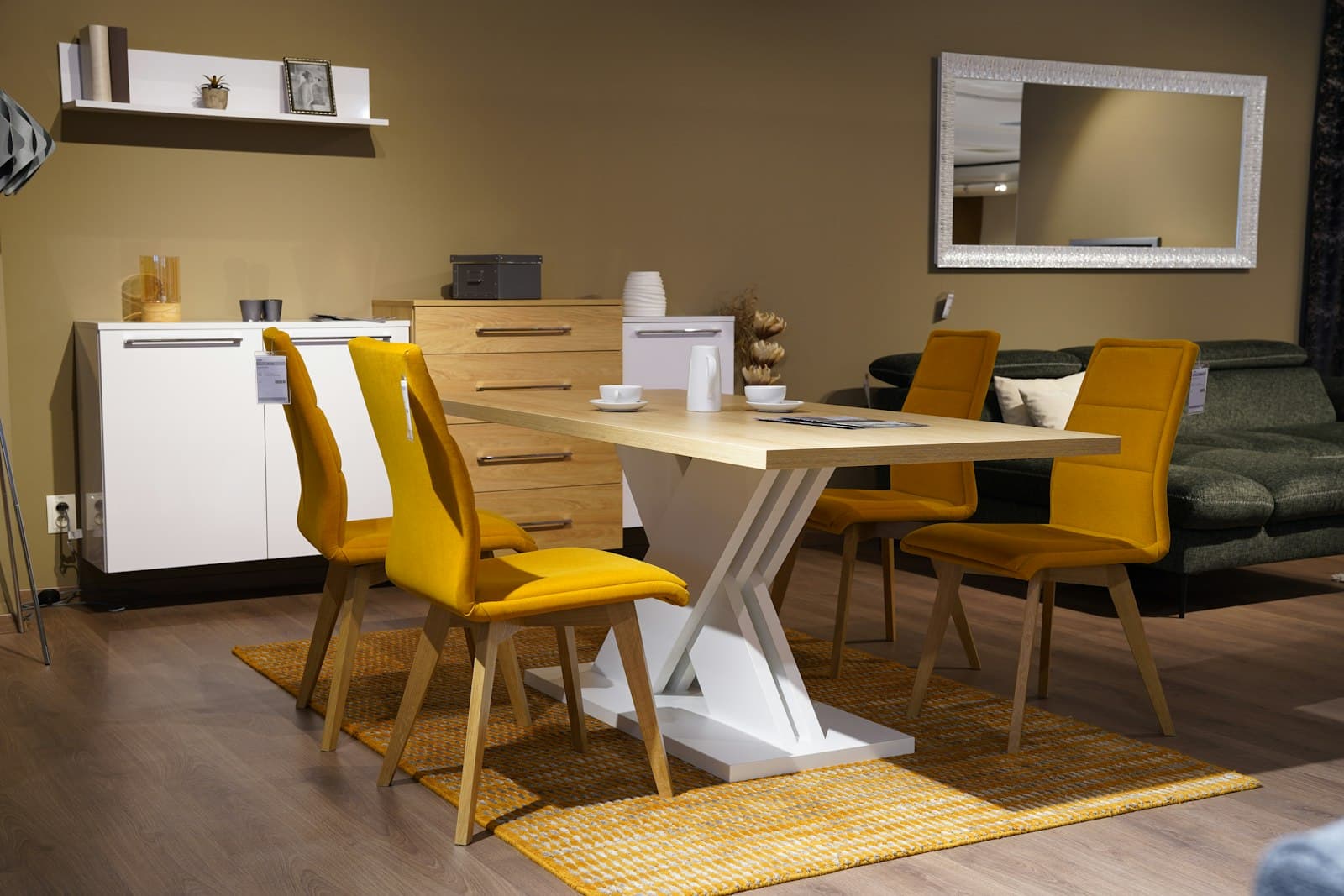
Most furniture stores should start Microsoft Ads with a $1,000 to $3,000 per month ad budget, plus management, and scale from there once conversion tracking proves which campaigns pay. Microsoft (Bing) reaches an older, higher-income shopper who buys furniture, and clicks often cost 20–40% less than Google, so a modest budget can go surprisingly far. For the bigger picture, see our Furniture marketing hub.
How much should a furniture store spend on Microsoft Ads?
Start with $1,000–$3,000 per month in ad spend for a single showroom, then let the data decide the ceiling.
Furniture is a considered purchase with a high average order value, so you don't need thousands of clicks to make the math work. If your average sale is $1,200 and even one in fifty clicks turns into a purchase, a few hundred clicks a month can cover the spend and then some. That's why we'd rather start lean, confirm the numbers, and reinvest profit than dump a large budget into unproven campaigns.
A reasonable starting split for most furniture stores:
- 60–70% on branded and high-intent search ("leather sectional near me," "mattress store Los Angeles")
- 20–30% on shopping/product ads if you have an online catalog
- 10% held back for testing new keywords and audiences
Multi-location retailers or stores with a strong e-commerce arm can justify $5,000+ per month, but the principle is the same: spend follows proven return, not the other way around.
How do I run Microsoft Ads for a furniture store?
Start by importing your Google Ads campaigns, then tune them for Microsoft's audience instead of copying them blindly.
Microsoft's ad platform lets you import directly from Google Ads, which saves hours of setup. But an import is a starting point, not a finished campaign. Bing's search volume is lower, so tight, tightly-themed ad groups matter more, and negative keywords keep you from wasting budget on browsers who'll never buy.
For a furniture store, we usually build campaigns around how people actually shop: by category (sofas, dining sets, mattresses, office), by intent ("buy," "delivery," "sale," "near me"), and by brand if you carry recognizable names. Local stores should turn on location targeting and set radius bids so you're not paying for clicks two states away.
If you'd rather have this built and managed for you, that's exactly what Pixel – Manager does. If you want to run it yourself with expert guidance, Pixel – Advisor coaches you through it.
Microsoft Ads vs Google Ads for furniture: which is better?
Neither replaces the other; Microsoft is a cost-efficient complement to Google, not a substitute.
Google has the volume. If you can only run one platform, that's usually where the customers are. But Microsoft Ads reaches roughly a third of U.S. desktop searches, and that audience skews older and more affluent than average, which lines up well with furniture buyers who have the income and the home to furnish.
Here's how we think about it:
- Google Ads: more searches, more competition, higher cost per click.
- Microsoft Ads: fewer searches, less competition, lower cost per click, older buyer.
Because competition is thinner, the same keyword often costs less on Microsoft. For a furniture store already running Google, adding Microsoft is one of the cheapest ways to pick up incremental sales you'd otherwise miss. Start Google first, prove it works, then layer Microsoft on top.
How much should I budget per month for furniture retail on Bing?
Plan on $1,000–$3,000 in ad spend for a single store, and expect management to run on top of that.
The honest answer is that your budget should be set by your economics, not a round number. Work backward: if your average furniture sale nets you $400 in profit and you're willing to spend up to a quarter of that to acquire a customer, you can afford $100 per sale in ad cost. From there, your realistic conversion rate and cost per click tell you how much traffic that budget buys.
Don't forget management. Whether you hire an agency or spend your own time, someone has to write ads, adjust bids, and cut waste weekly. You can see how we structure fees on our pricing page. The goal is always the same: the account should return more than it costs, or it isn't worth running.
How does conversion tracking work for furniture Microsoft Ads?
Conversion tracking uses a snippet of code (the Universal Event Tracking tag) on your site to record purchases, form fills, and calls, so you know which clicks actually made money.
Without it, you're flying blind. You'll see clicks and spend but never know which keywords produced sales. For furniture stores we track the actions that matter: completed online purchases, "request a quote" or design-consultation form submissions, phone calls from ad clicks, and directions requests for showroom visits.
A few things that trip stores up:
- Offline sales. Most furniture is still bought in-store. Track calls and store-visit signals, and ask staff how customers found you so online ads get credit for offline sales.
- Delivery and financing pages. These pages signal serious buyers; track visits to them as micro-conversions.
- Import vs. rebuild. You can import Google conversions, but confirm the tag fires correctly on Microsoft before trusting the numbers.
If you're not sure your tracking is right, a Google Ads audit covers the same checks and often exposes weeks of misattributed spend.
Can I run Bing Ads management for a furniture store in Los Angeles?
Yes. Microsoft Ads works well for local furniture retailers in Los Angeles, and local targeting keeps spend focused on shoppers who can actually walk into your showroom.
We're based in Manhattan Beach and work with local service and retail businesses across LA. For a furniture store, we'd set tight geographic targeting, bid up for high-intent local searches, and use ad copy that names your neighborhood, delivery area, and any in-stock or same-week delivery advantages. Local buyers respond to "available now" and "fast delivery" far more than to generic branding.
Frequently asked questions
Is Microsoft Ads worth it for a small furniture store?
Yes, especially if you already run Google Ads. The lower cost per click and older, higher-income audience make it a low-risk way to add incremental sales on a modest budget of $1,000–$2,000 a month.
How long before Microsoft Ads produces furniture sales?
You'll see clicks immediately, but give it 60–90 days to gather enough conversion data to optimize. Furniture has a longer consideration cycle, so some shoppers click now and buy weeks later.
Do I need a separate budget for Microsoft and Google?
Yes. Keep them separate so you can measure each platform's return honestly. A common approach is to run Google first, then allocate 15–25% of your total paid budget to Microsoft.
Should I use Shopping ads for furniture?
If you have an online catalog, yes. Product ads with images and prices work well for furniture because shoppers want to see the piece before clicking, which also filters out low-intent traffic.
If you want a second opinion on your budget or setup, we're happy to look at your numbers and tell you honestly whether Microsoft Ads makes sense for your store. Book a free consultation, and explore more on our Furniture marketing hub.