Paid Ads●●Nick Ostroff
Meta Ads for Furniture Stores
How furniture stores use Meta ads to fill showrooms and sell online, including budgets, setup, and the campaign types worth running.
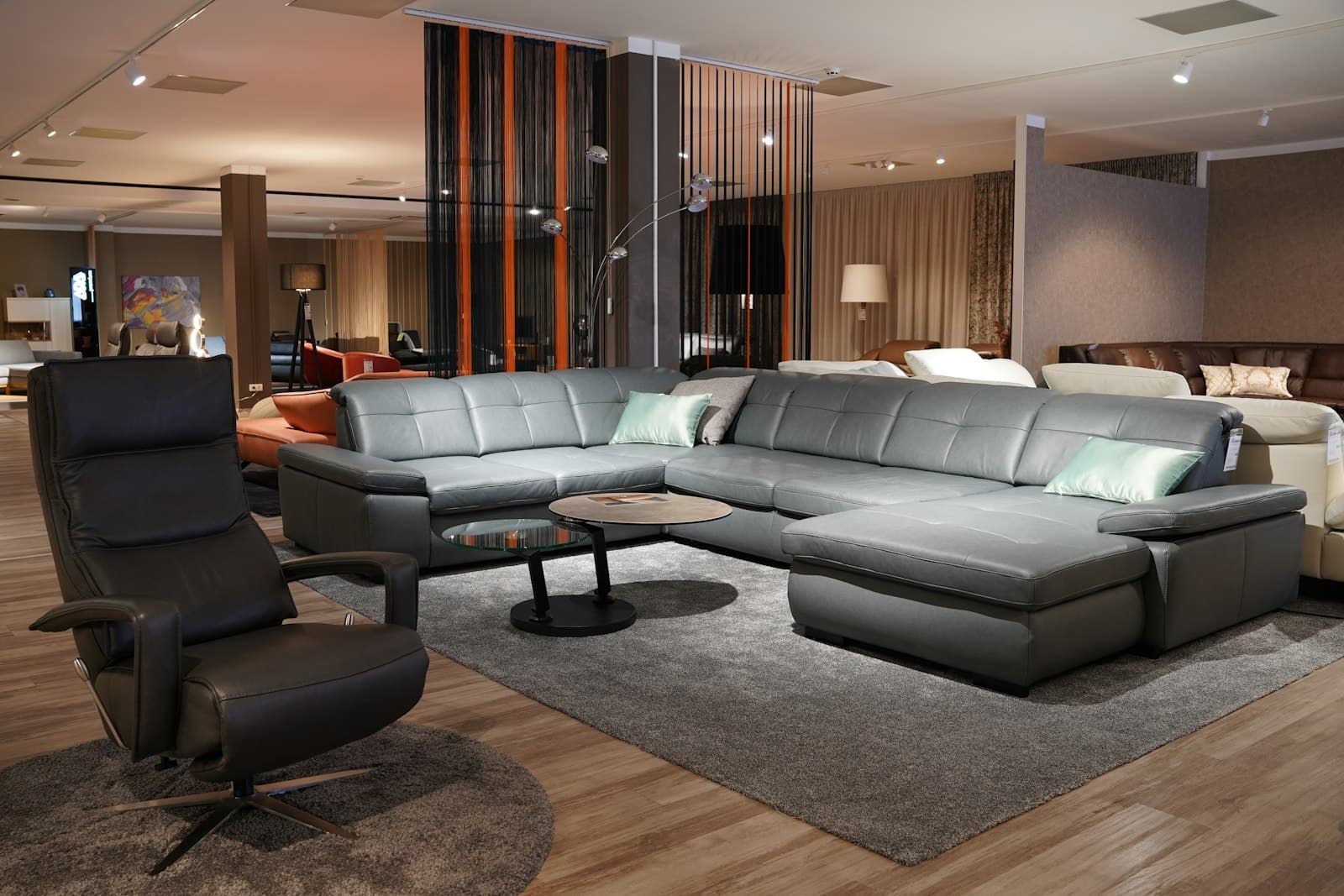
Meta ads (Facebook and Instagram) work well for furniture stores because they let you show large, visual products to shoppers within a specific driving radius of your showroom. Most stores start with $1,500 to $5,000 a month, run image and video catalog ads, and use them to drive showroom visits, phone calls, and online sales. It's one of the strongest channels in furniture marketing.
Do Meta ads work for furniture stores?
Yes — furniture is a highly visual, considered purchase, which is exactly what Meta's feed and Reels placements do well. People scroll, see a sectional or bedroom set they like, and either save it, visit your site, or come into the store.
Furniture has a longer buying cycle than most products. Someone might see your ad three or four times over two weeks before they act. That's fine — Meta is built to stay in front of the same person over time at a low cost. The key is not judging results on day two.
The two things Meta does best for furniture stores are top-of-funnel discovery (getting new people to see your products) and retargeting (bringing back people who browsed but didn't buy). Most stores need both running at the same time.
What's a realistic Meta ads budget for a furniture store?
Most independent furniture stores spend between $1,500 and $5,000 per month on Meta, and larger multi-location retailers spend more. The right number depends on your market size and how much of it you want to reach each month.
A few rough guides we use:
- Small local store, one location: $1,500–$2,500/month is enough to run a discovery campaign and a retargeting campaign in a 20–30 mile radius.
- Established store with strong margins: $3,000–$5,000/month lets you test multiple product categories (sectionals, bedroom, dining) and scale what works.
- Multi-location or heavy promotional calendar: $5,000+ to cover each trade area and support sale events.
Don't spread a small budget across ten campaigns. On $2,000 a month, run one discovery campaign and one retargeting campaign, and let them gather enough data to optimize. See our pricing for how management fits alongside ad spend.
How do you set up Meta ads for a furniture store?
Start with tracking, then a product catalog, then two campaigns — one to find new buyers and one to retarget browsers. Setup order matters because the catalog and pixel are what make everything else work.
Here's the sequence we follow:
- Install the Meta pixel and Conversions API on your website so you can track views, add-to-carts, and purchases. Even if most sales happen in-store, online behavior tells Meta who to target.
- Build a product catalog by connecting your ecommerce platform (Shopify, WooCommerce, BigCommerce) or uploading a product feed. This powers dynamic catalog ads that show individual pieces.
- Set up a discovery/prospecting campaign targeting your trade area with your best-selling categories and strongest photography or video.
- Set up a retargeting campaign for people who viewed products, visited key pages, or engaged with your Instagram but didn't purchase or visit.
- Add offline conversion tracking or a lead form so showroom visits and phone calls get counted, not just website sales.
If you'd rather have this built and managed for you, that's what Pixel – Manager does. If you want to run it yourself with expert guidance, Pixel – Advisor coaches you through it.
What kind of Meta ads should a furniture store run?
Use a mix of catalog ads, video, and offer-driven ads, matched to where the shopper is in the buying process. No single format carries the whole account.
Catalog (dynamic) ads automatically show relevant products to the right people and are the workhorse of furniture retail — especially for retargeting someone who looked at a specific sofa.
Video and Reels perform well for discovery. A 15-second walkthrough of a room set, a delivery, or a "how it fits real spaces" clip stops the scroll better than a static photo. Furniture is spatial, and video shows scale.
Offer and event ads support your promotional calendar — Labor Day sales, financing offers, clearance events. These work best when there's a real deadline. Pair them with retargeting so the people most likely to buy see the offer first.
Collection and carousel ads let you show several pieces in one ad, good for showing a full room or a range within a category.
How do Meta ads work for specific categories like sectionals or bedroom furniture?
Break your campaigns out by high-value category so you can control budget and message per product line. Sectionals, bedroom sets, and dining all attract different shoppers and carry different margins.
For sectional sofas, lead with configuration and comfort — modular options, sizes, fabric choices. These are big-ticket, considered purchases, so lean heavily on retargeting and let people revisit before they commit.
For bedroom furniture, bundle thinking wins. Show the full set (bed, nightstands, dresser) and let the ad communicate value. Bedroom shoppers often buy multiple pieces at once, so average order value is high and justifies a higher cost per click.
Separating categories also tells you where your money works hardest. If sectionals return three times what dining does, you'll see it clearly and can shift budget — which you can't do if everything runs in one blended campaign.
How do you know if Meta ads are working for a furniture store?
Track revenue and showroom traffic against ad spend, not vanity metrics like reach or likes. Because furniture sells both online and in-store, you need to count both to judge results fairly.
The metrics we watch:
- Return on ad spend (ROAS) for online purchases, typically 3x or higher once an account is dialed in for furniture.
- Cost per showroom visit or lead using offline conversion tracking or a store-visit form.
- Cost per add-to-cart or product view as an early signal before sales come in.
- View-through and assisted conversions, since many furniture buyers see the ad but convert later, in-store or by phone.
Give a new campaign at least 30 days before deciding. Furniture's long consideration window means early numbers understate the real result. If you want a second opinion on an existing account, request a Google Ads audit — we review Meta accounts too.
Frequently asked questions
How long before Meta ads produce sales for a furniture store?
Expect the learning phase to take two to three weeks, and meaningful results within the first 30 to 60 days. Because furniture is a considered purchase, the first few weeks build the audience and retargeting pool that drive later sales.
Should furniture stores use Meta ads or Google Ads?
Most stores benefit from both. Google captures people already searching for furniture; Meta creates demand and retargets browsers with strong visuals. If you can only start with one, Google usually captures existing intent faster, but Meta builds the pipeline that keeps sales steady.
Do Meta ads work if I only sell in-store, not online?
Yes. You can drive showroom visits, calls, and lead-form inquiries even without ecommerce. You'll want offline conversion tracking or a simple lead form so you can measure what the ads actually produce.
How much of my budget should go to retargeting?
A common split is 70–80% to prospecting and 20–30% to retargeting. Retargeting is cheaper and converts better, but it can only work if enough new people are entering the funnel first.
If you want help deciding where Meta fits in your overall plan, we offer a free consultation and can walk through your numbers with you. Start with our furniture marketing resources, then reach out whenever you're ready.